Backpack, check. Coat, check, lunch, check. Bear spray….. check. With the arrival of autumn comes the return of morning walks to the bus with young George, apples ripening on the tree and the prospect of coming face to face with one of North America’s largest carnivores. The “nightly news” of Gardiner, Montana – reports via footage from backyard trail cameras and Facebook, that one or more grizzlies has been making the rounds through the backyards and streets of town in search of laden apples trees and improperly secured garbage.
Footage compliments of K. Short
Our neighbors reported signs of a grizzly in their yard just recently. And as we make that early morning walk along the gravel drive to the bus stop, the bears are returning to wooded areas to settle down after a night on the town. In late fall means hyperphagia – a bear’s version of binge eating – to put on as much weight as possible before a long winter hibernation. They roam the landscape like vacuum cleaners with voracious appetites, searching for food that will help them pack on the pounds. For some of the ecosystem’s grizzlies, this means scavenging carcasses or foraging at high elevations for white-bark pine nuts and the ‘butterballs’ of bear cuisine – army cutworm moths – living packets of fat and protein which take refuge in the millions beneath the rocks on the high rocky slopes of the Gallatin and Absaroka mountains. But each year, at the tail end of apple harvest season, a handful of bears venture down from the mountains to roam the backyards and streets of Gardiner in search of an easy meal; apples, garbage, dog food, bird feeders. We watch daily for the tell-tale signs; big piles of orange scat filled with apple skins, and limbs ripped from the unlucky trees. We try to be good neighbors; picking apples early, collecting fallen ones from the ground, and carefully storing our trash and any other attractants in hopes of avoiding a surprise encounter. Even so, it’s nearly impossible to remove everything. Habit, fueled by flawless memories and an uncanny sense of timing, lead them back to years-old feeding sites in hopes of just one more reward.
So, with a slight tingle on the backs, we walk the 200 yards to the bus stop, past the apple grove, wondering what may be bedded in the sage or aspens along the way. Some might think we’re crazy, but we wouldn’t trade it for anything. What would this world be without things that make us feel small, inadequate or outright terrified at times? Grizzlies are the very essence of what lies in the heart of these mountains – wildness. Whether it’s bison in the backyard or grizzlies at the bus stop, to live in the Greater Yellowstone Ecosystem is to live a wild life.
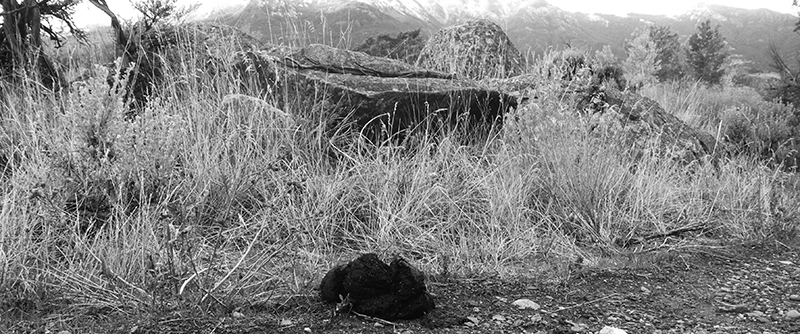
As always, the bear has the last word.
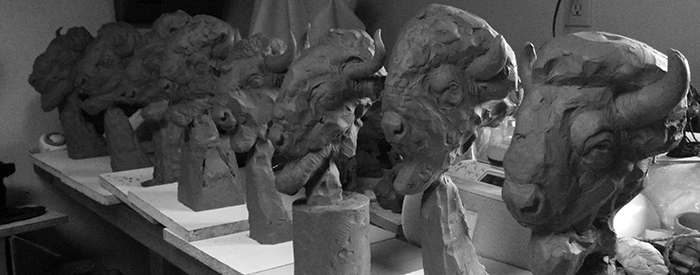
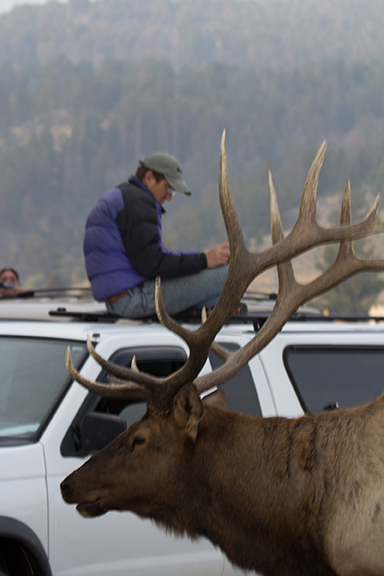
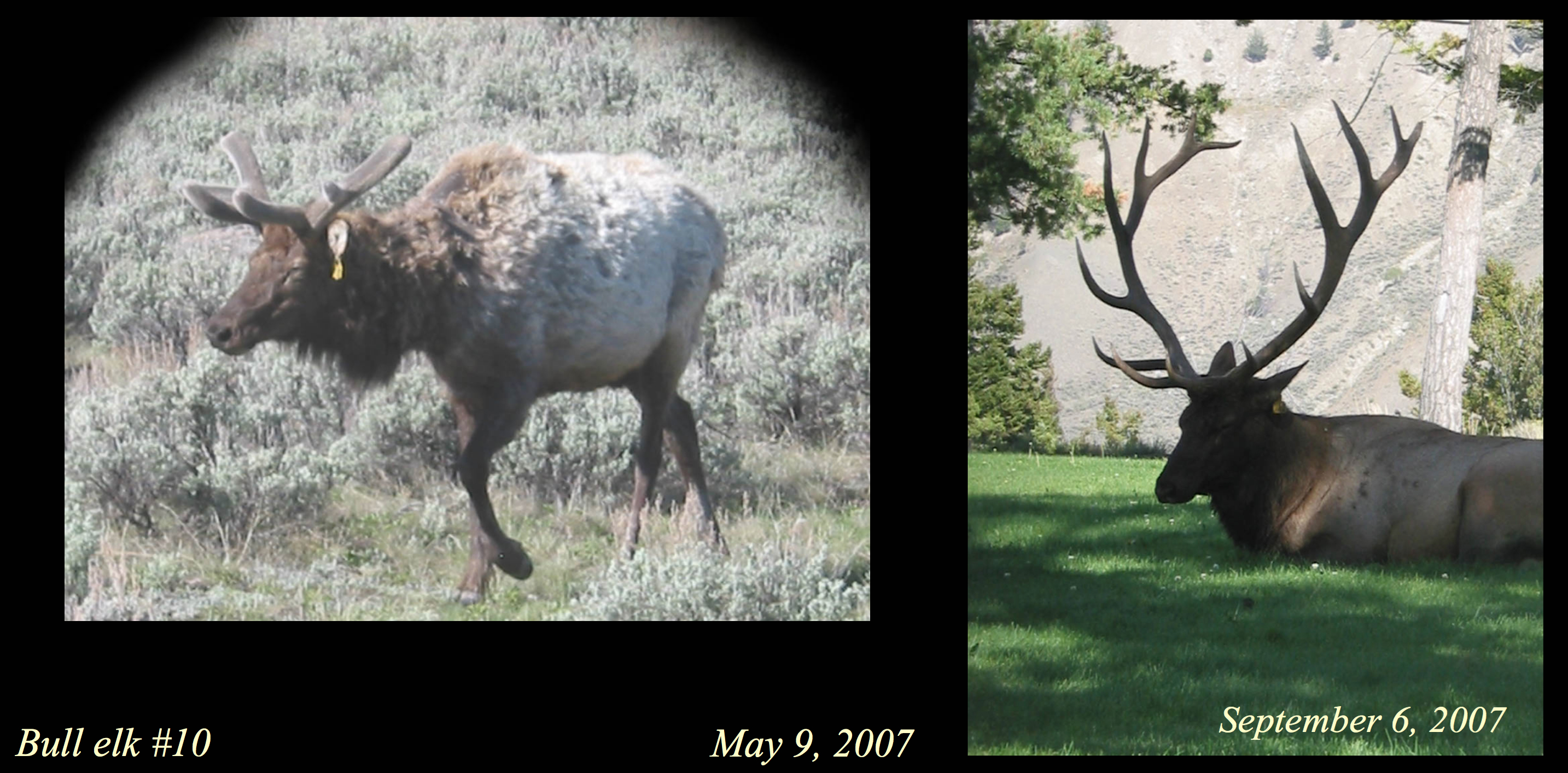
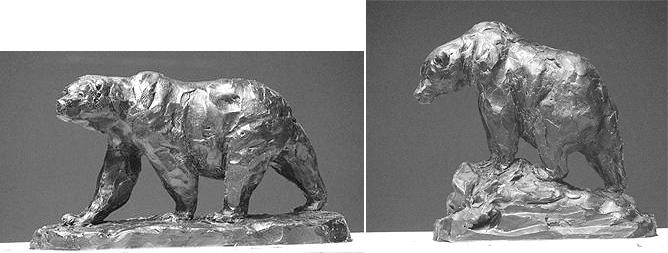
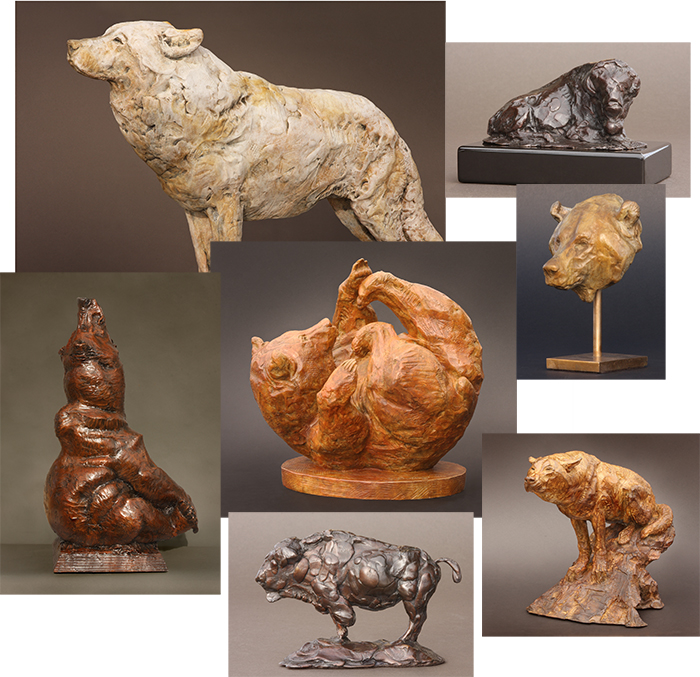
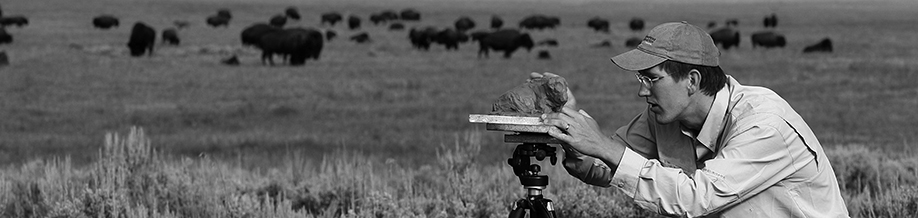
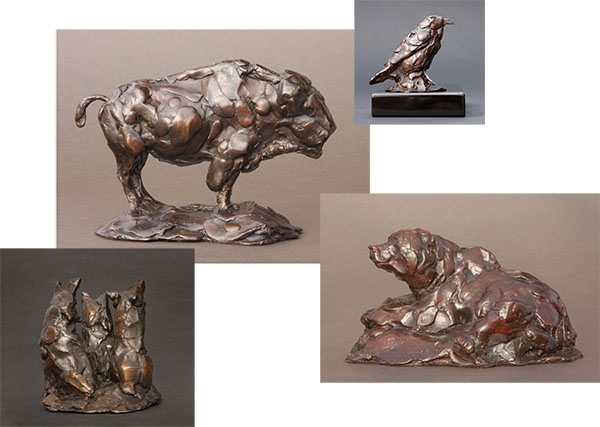
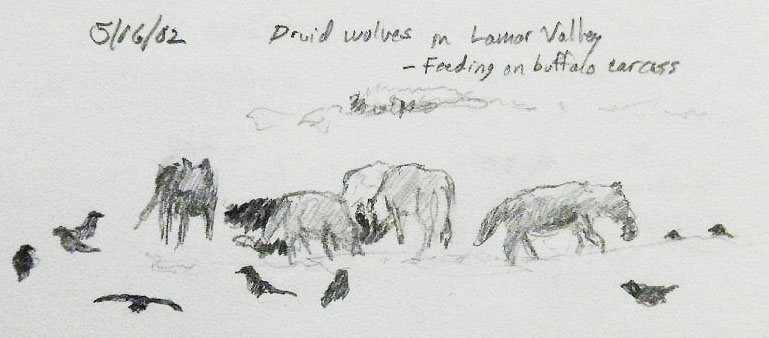
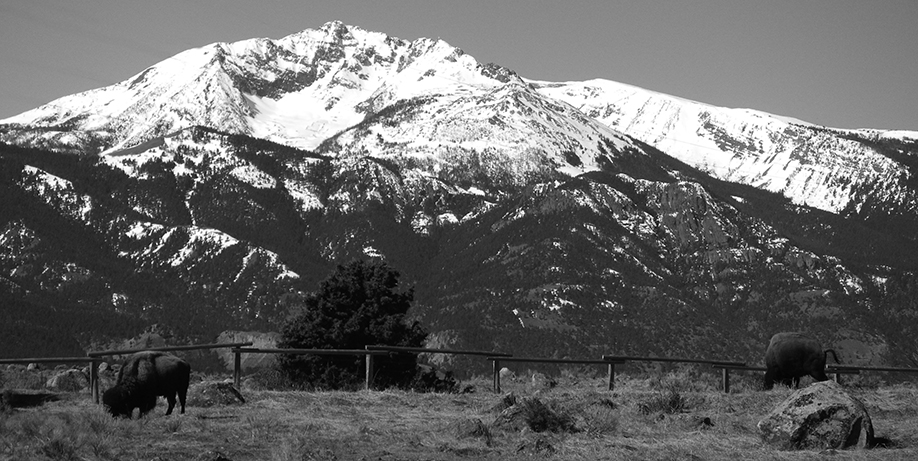 Despite having spent hundreds of hours watching bison, I never tire of observing them. Where others may see a docile, lumbering animal in a slow-moving herd, I see a deep landscape of gesture nuance of form and individual character. As I begin work on a new bison piece, I find myself yet again, with sketchbook and pen in hand.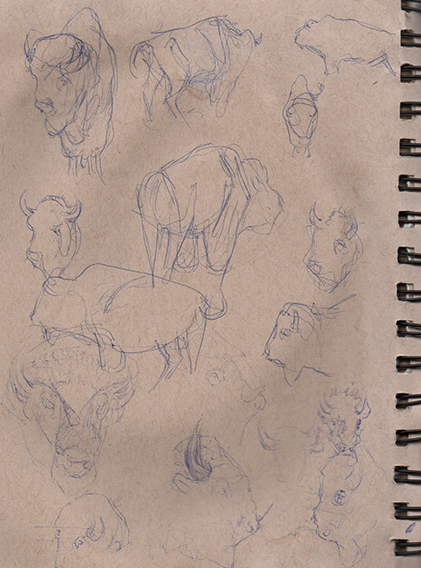
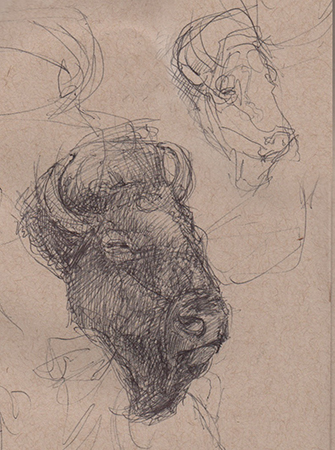
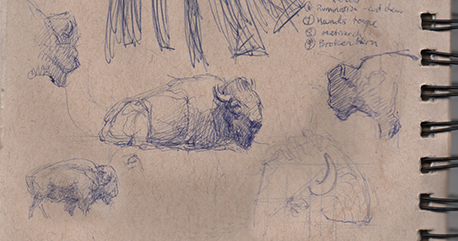
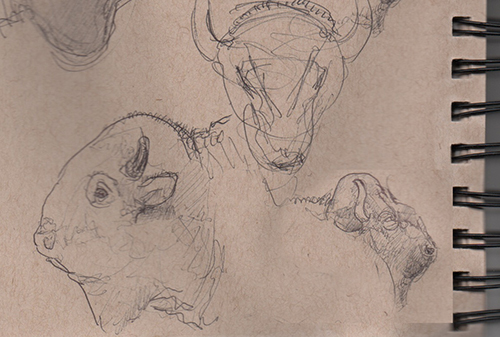
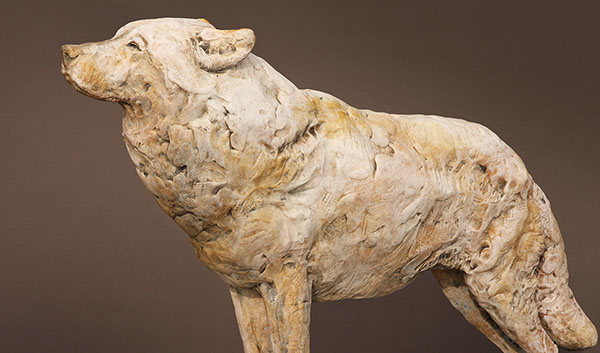 This time of year in Yellowstone, the margin between life and death is thin. Rarely are the relationships between animals and the landscape more evident than in late winter, when the contrast between hunter and hunted, between survival and… not, is stark. We have much to witness, and a great deal to learn.

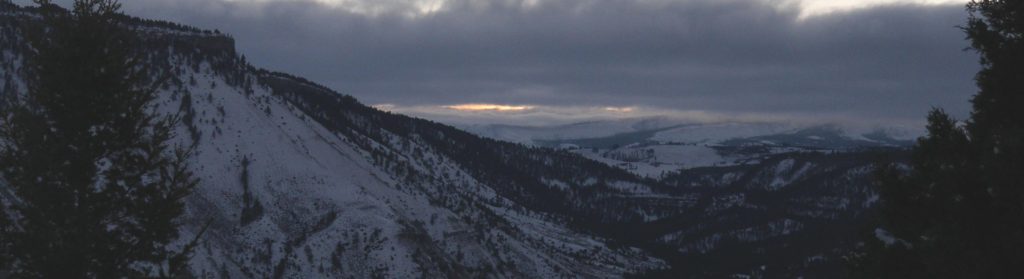
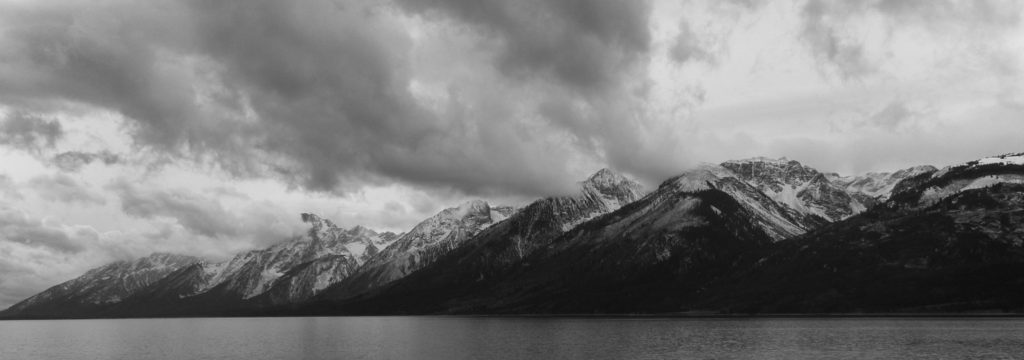 Quick before the gates close! The seasonal closure of Yellowstone’s road system is upon us. Jenny, young George and I took the opportunity to pick up and drop off some sculptures at Mountain Trails Gallery in Jackson, WY as our excuse to take a drive through the interior of our nation’s first national park before the land becomes shrouded in white. Each year the roads of the Park close, save the road out to Cooke City at the north-east entrance, in order to let the snow build up to the point of allowing travel by snowcoach or snowmobile. (Image above: the majestic Tetons reduced to their foothills by dramatic skies)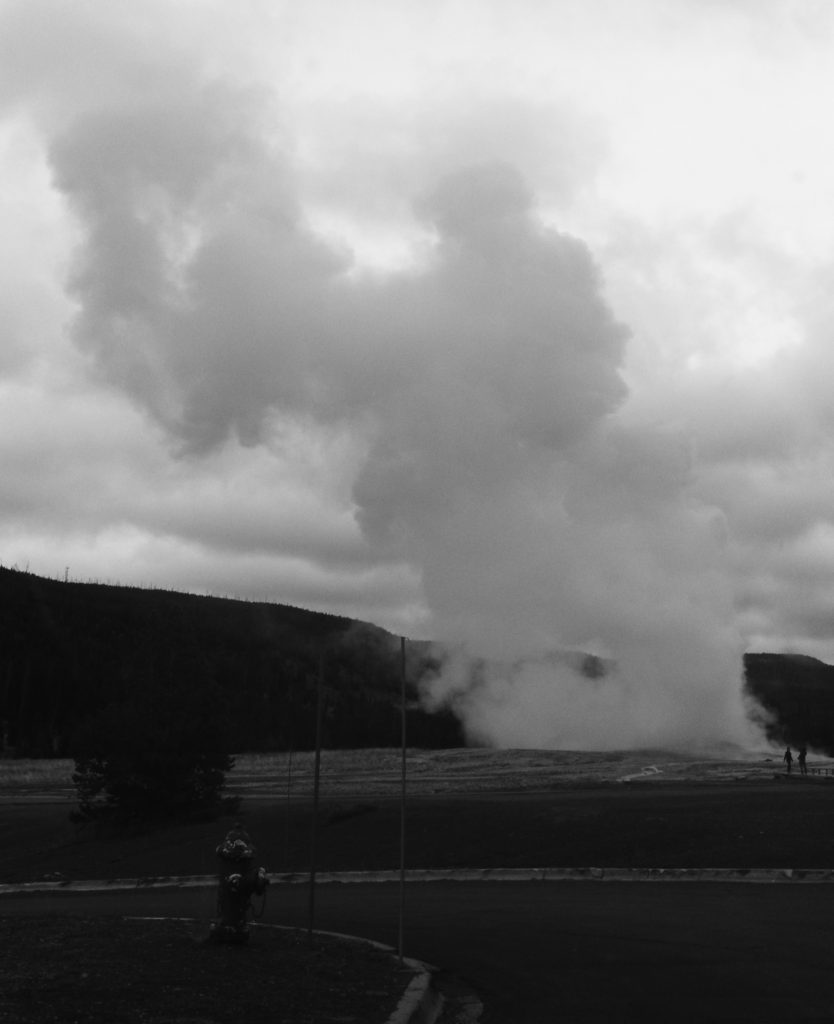
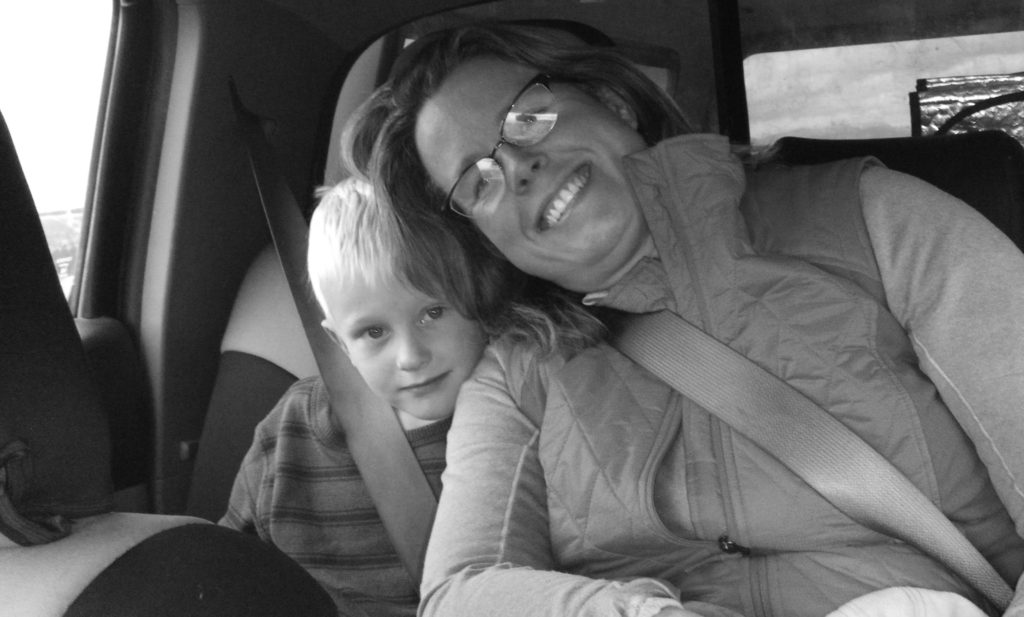
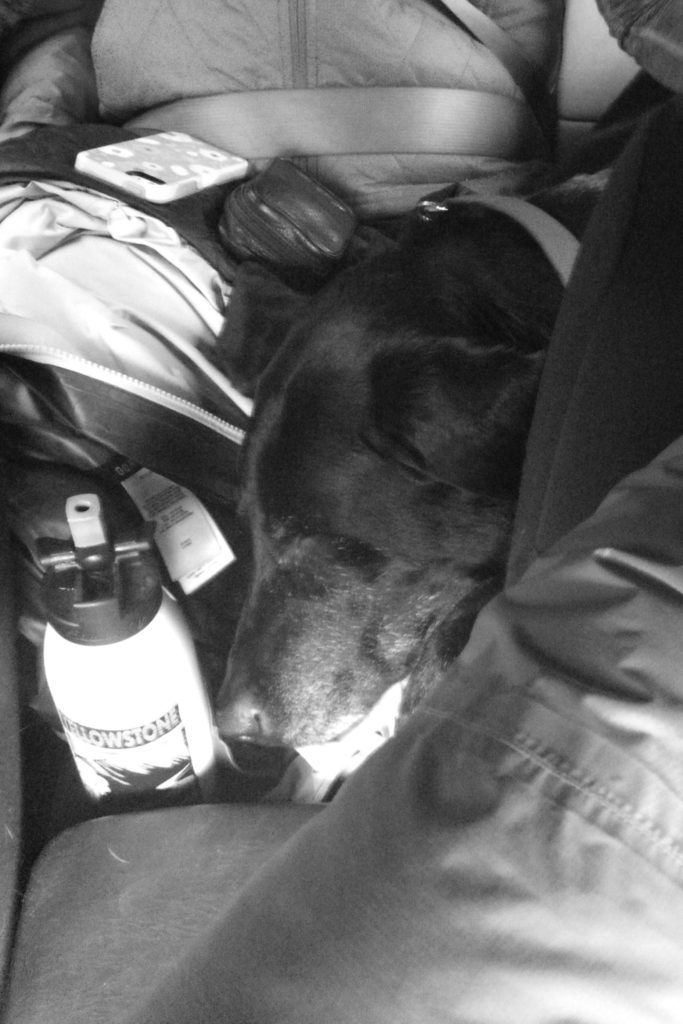
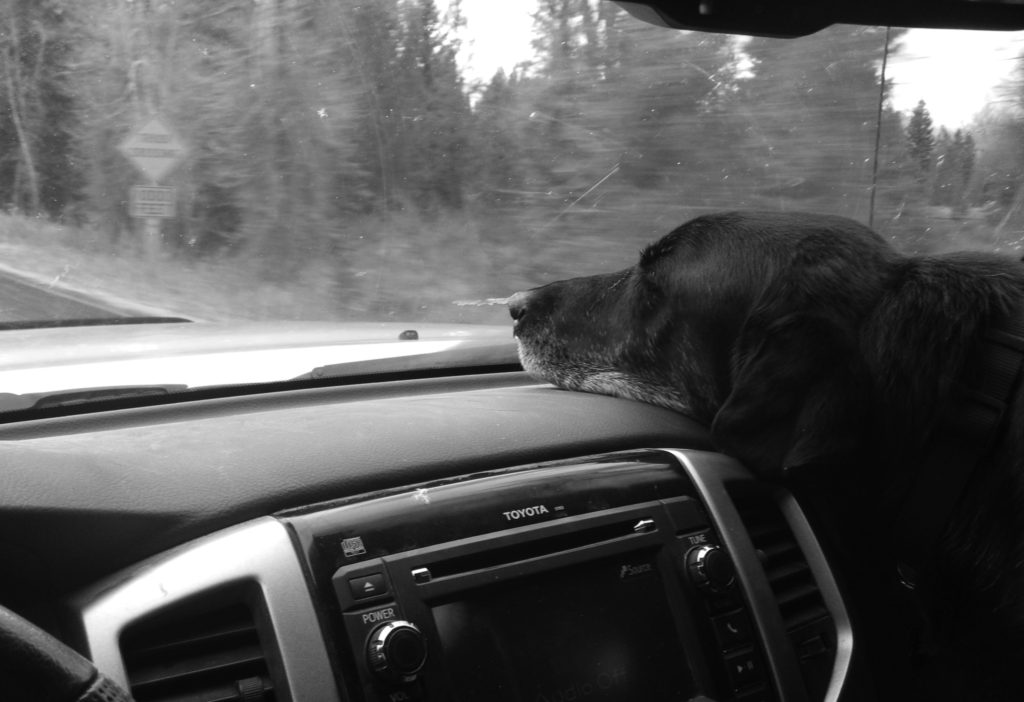 Our last view of Old Faithful before the snow flies (above, left), Jenny and “G” aka “the peanut gallery” (top, right), Casey – the ‘perenial passenger’ (bottom, right) and Jasper – ‘the navigator’ (bottom, left)
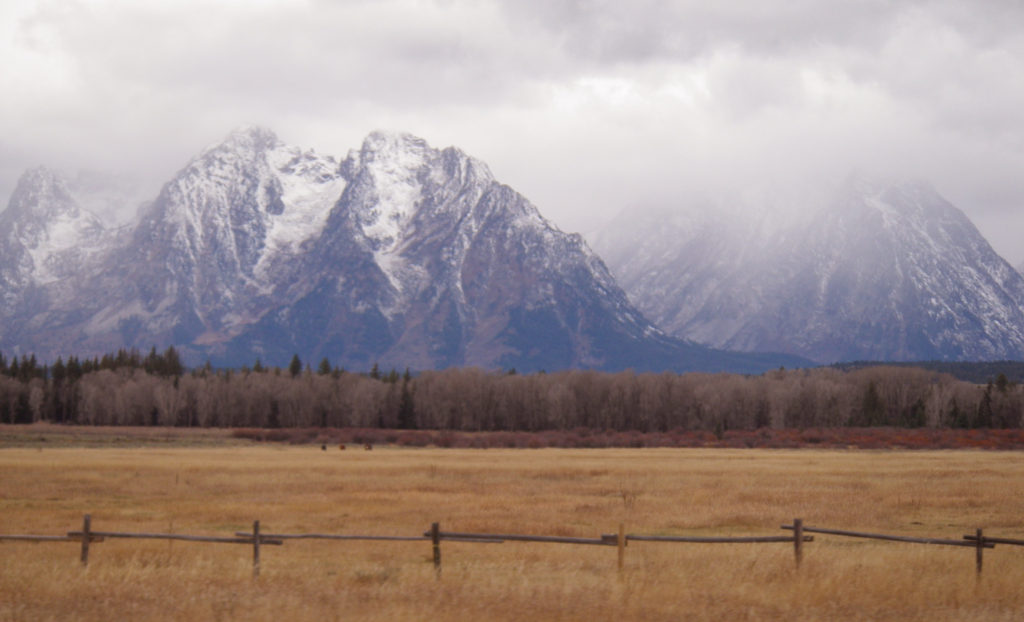 Teton Mountains from near Moran Junction.
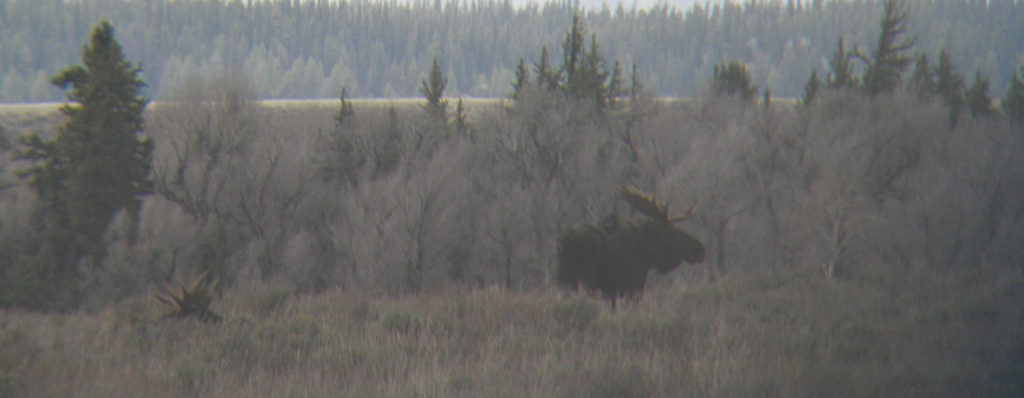 Two bull moose near Moose Junction, appropriately enough.
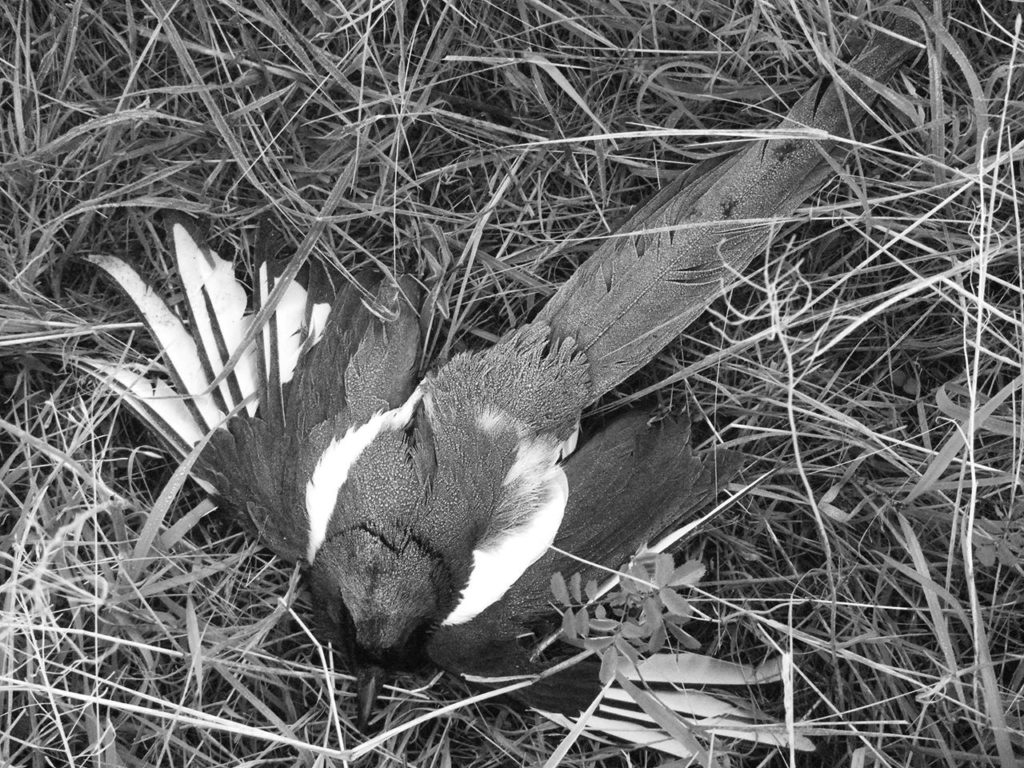 Recently, my morning walk with the dogs interrupted something quite profound, dare i say, sacred; a magpie funeral. Walking towards a small meadow I heard three-note calls in unison from 10-12 magpies. Not an unusual note pairing, but something in their voices was different, so I walked to the spot where the dogs had flushed the birds from the ground. There in the grass, wings out, a single stem of grass clenched in its beak, was a magpie elder – the extensive white in the wings feathers and long, resplendent tail indicative of its age and perhaps its profound meaning to the birds clustered around it.
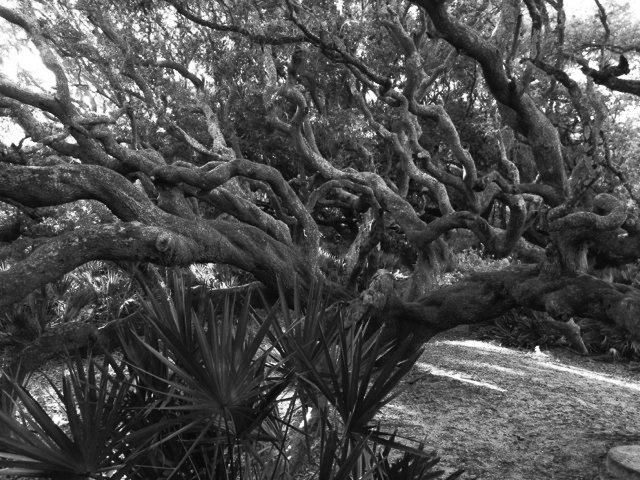 Traveling has such a wonderful way of bringing us back to what is most important. We are just returned from two weeks on the east coast where we spent some time at Brookgreen Gardens, a sculpture garden and wildlife preserve in South Carolina and Cumberland Island National S
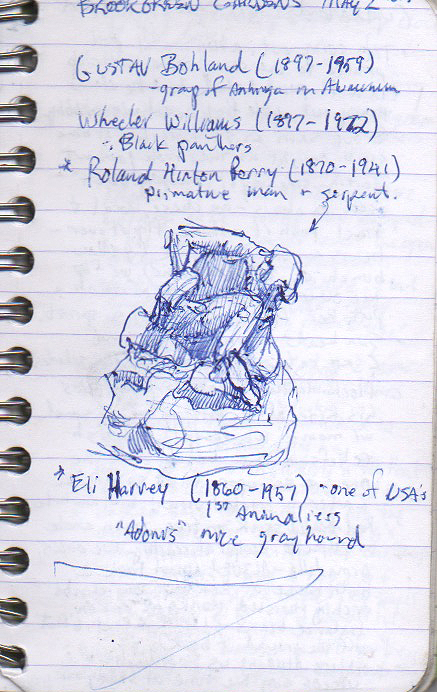 eashore in Georgia. On Cumberland Island, we marveled at revelations and discoveries in every little nook and cranny, from the tree frogs hidden in a folded palmetto, the vastness of the ocean, unbelievably tiny hermit crabs, to the subtleties of a cuckoo call in the live oaks and countless other small yet significant discoveries. At Brookgreen Sculpture Gardens, we were struck by the beauty of art and gardens at the hand of man. This trip reminded us that beauty is where you look for it. Although we are regularly surrounded by stunning natural wonders at our home in Yellowstone – we were reminded that every place offers it’s own beauty and intrigue if you are willing to be present and seek it out. There is infinite beauty in wild places, as well as in human spaces – from the impossible complexity of a salt marsh to a marble bust at the Metropolitan. Pictured here: Above, top – Live oak tree, middle – thumbnail sketch of sculpture “Primitive Man & Serpent” by Roland Perry and notes on other artists, below – green tree frogs.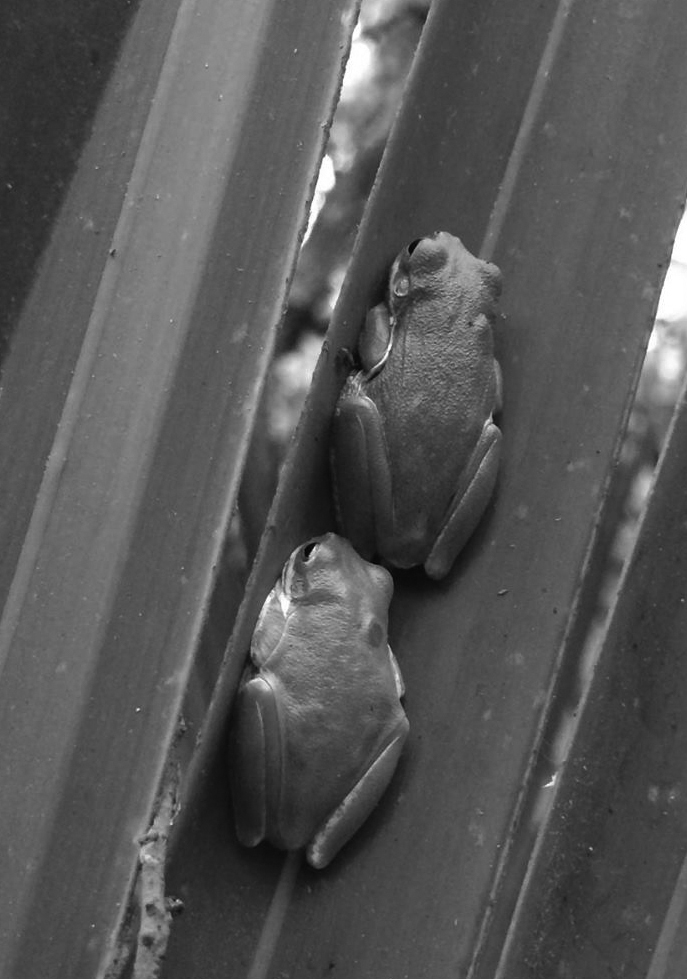
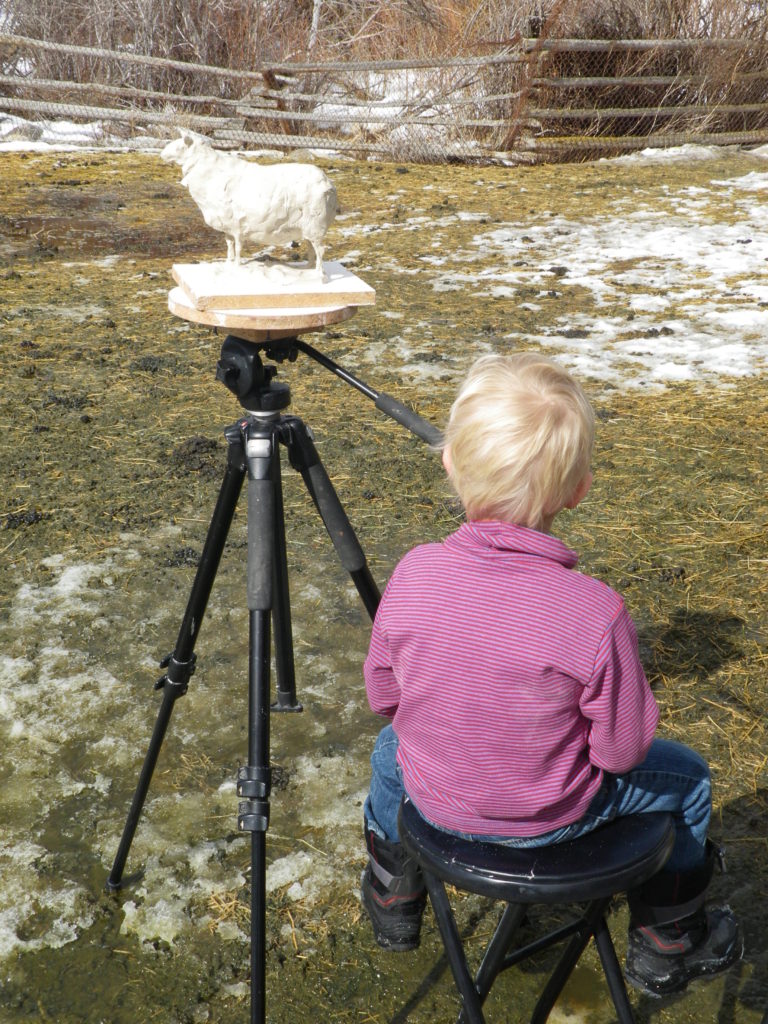
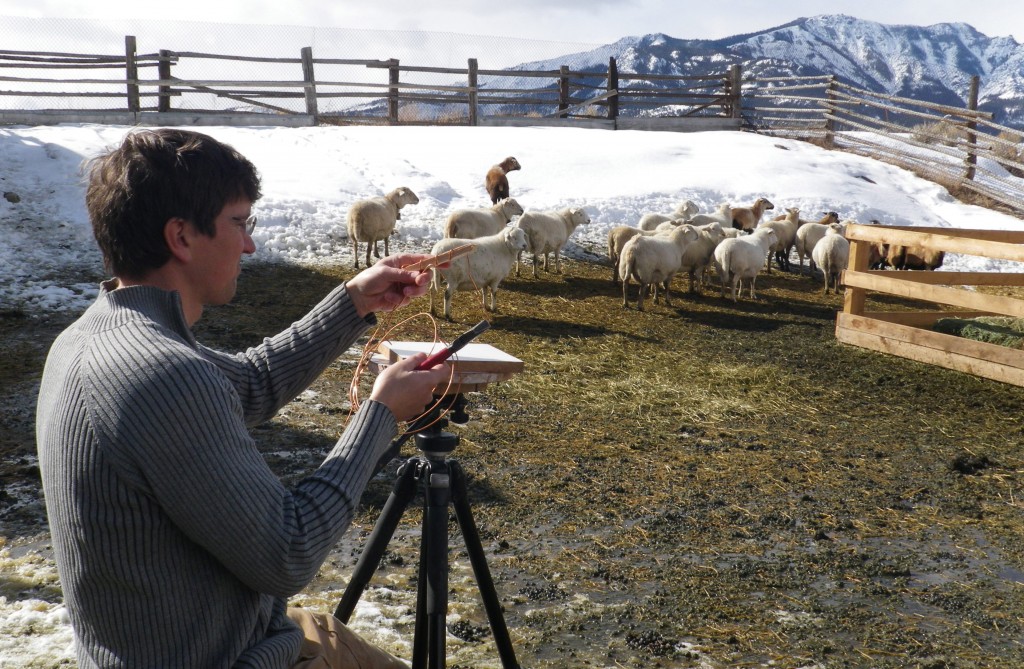 Wire and wood form the spine and legs of the armature with some newspaper added in to take up the extra space.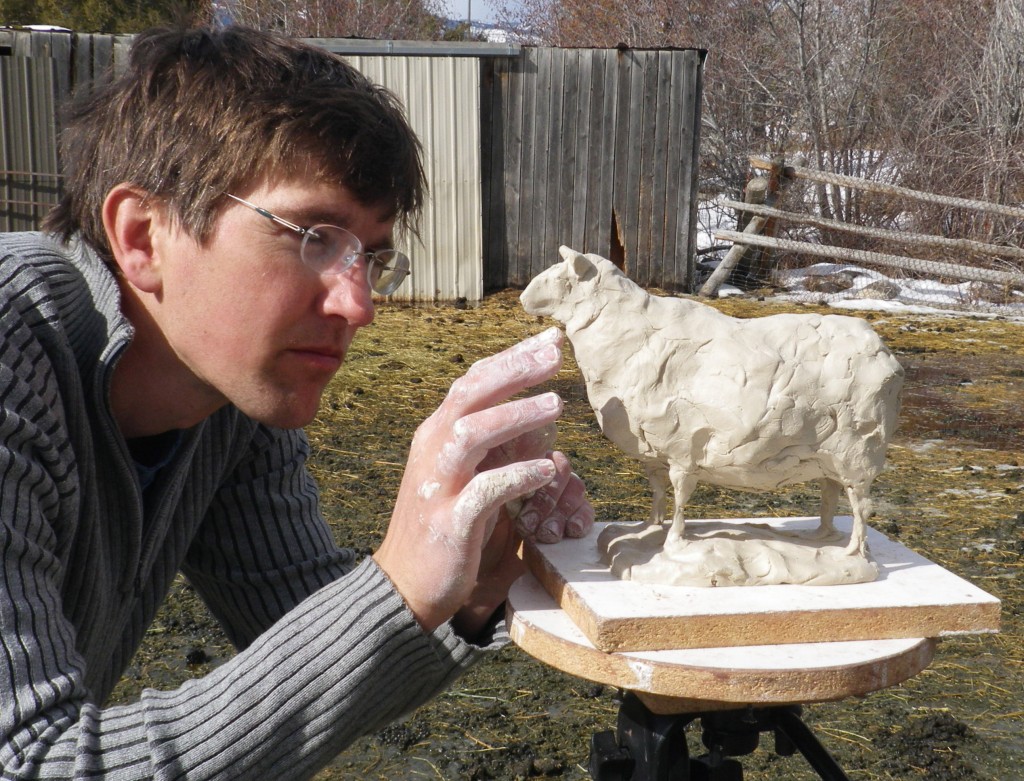
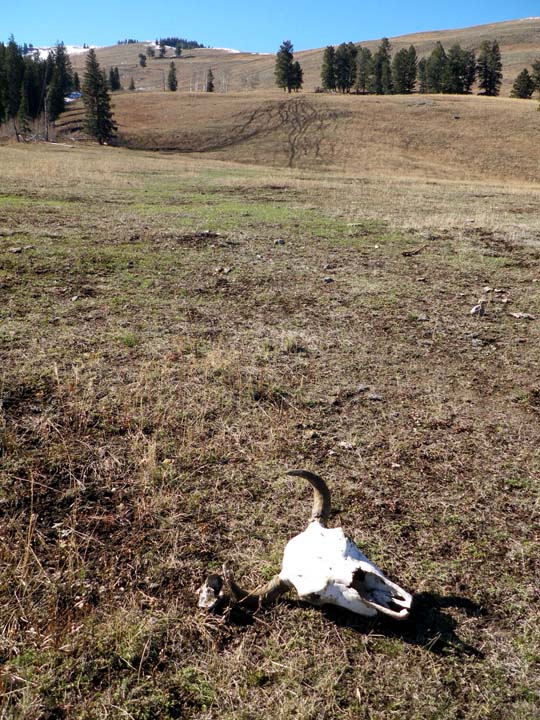 This is THE skull! Exactly 619 days and 19 hours before this shot was taken, I and my “Wolves of Yellowstone Class” got to see this bison taken down by the Mollie’s wolf pack on one snowy February afternoon in 2012. On a recent hike with photographer friend Brad Orsted, we came upon this area of Lamar Valley where that exact hunt took place – AND it is the same one that I filmed and placed on YouTube (linked below)! As we walked into the area of the hunt, that day was the farthest thing from my mind, but when I looked around, my memory snapped to the fore. The dramatic scene that took place over a year and eight months ago, happened RIGHT HERE!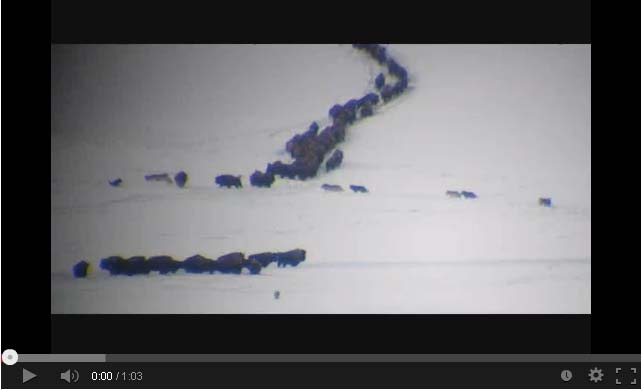
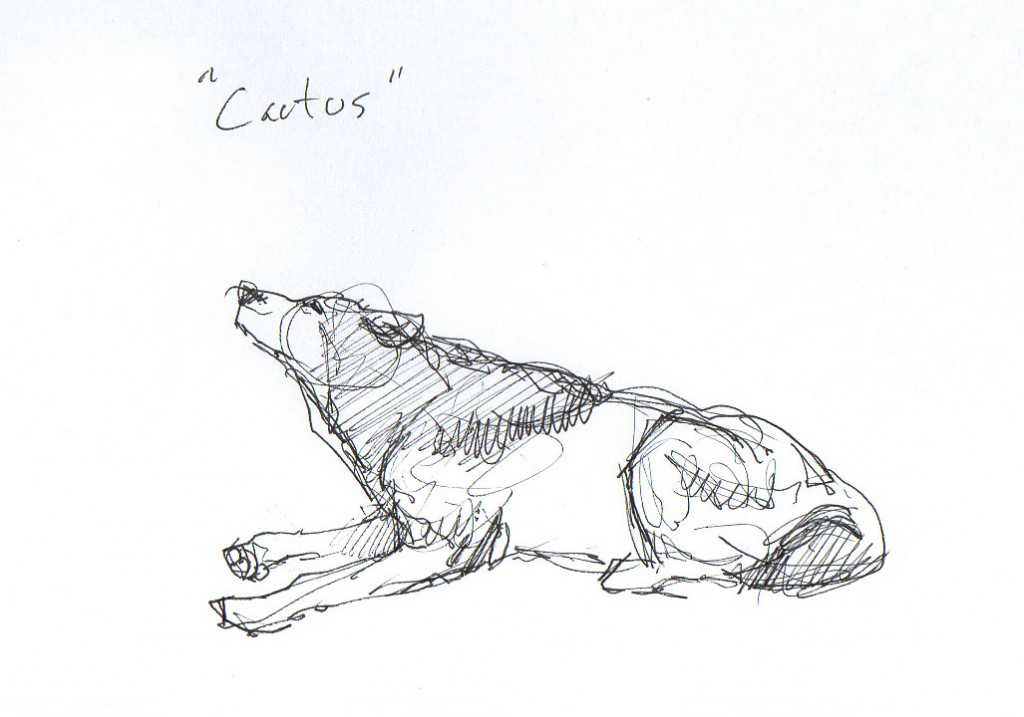 in my mind immediately jumped to some of the research on Yellowstone wolves showing how the body gestures of wolves convey the seriousness of their hunting efforts to their prey. When wolves have zeroed in on a particular animal, their gait increases, their head is lowered and tail straightened out to the back, rather than up as their heads and tails are when searching out a prospective meal. With this in mind, I looked back at our female Labrador, Casey, who had a ‘hunting’ body posture as she was darting amongst the prickly pear cactus. I wondered if this was signaling to those deer what the wolves do during a chase? From there, my mind jumped to the fact that wolves and coyotes must get spines in their feet during some of these chases. This gave me the overwhelming feeling of empathy for them in that powerlessness state of not being able to tend to their own injuries, or not having people to care for them as our dogs do. We all know this feeling to a degree when we become injured or encounter things, people, situations in life that we cannot change.
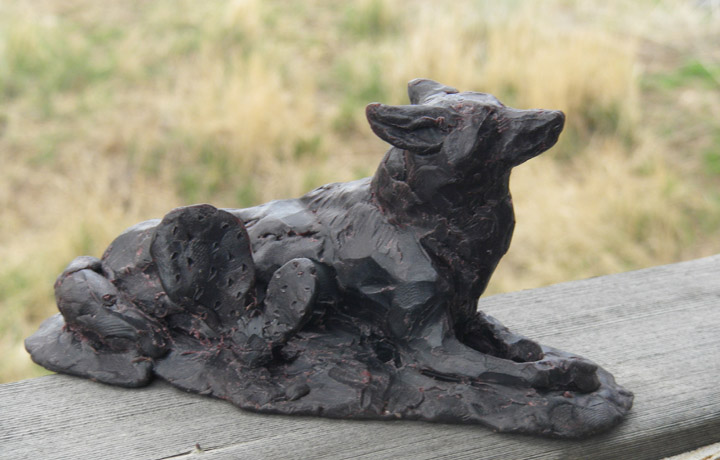
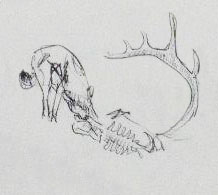
 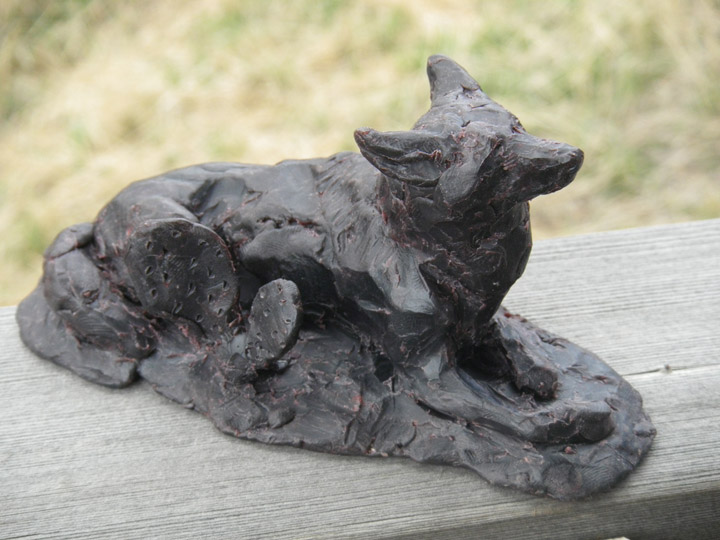 To fight them does no good, to complain often does even less – SO, I began thinking of a piece that spoke to that notion. Once I got home I made a quick sketch on paper (above) out of my head of the position our male Labrador takes when worrying his feet from cactus spines. I wanted to use those gestures as exemplified by a coyote as the subject to convey this idea. I later made this small wax study to test the idea in 3D (to the right & below). I soon felt that it needed something ‘more’ and the cactus (scaled to south Texas size as our cactus are quite small in Montana) seemed to balance the design nicely – as well as to lend context to the animal’s slightly unusual position.